Call or Text Cassi:
(765) 681-7679Most business owners know they need to show up on Google, but they've never really thought about what a potential customer experiences in the 30 seconds after they hit search. That window is short, and it decides everything. This post walks through the full journey from search to phone call so you can see exactly where the system either works or falls apart.
In This Article:
When someone types "plumber near me" or "HVAC repair in [your city]" into Google, they get a page full of options. AI overviews and paid ads sit at the top, usually three or four of them, before any organic results show up. Below that are map listings, and further down the page are websites that earned their spot through SEO.
If you're running ads, you're in that top section. That's good positioning. But what the customer actually reads in those two or three lines of ad copy is what determines whether they click on you or the business right below you.
Most people scan all four ads in about ten seconds. They're looking for something that feels relevant to their specific problem. "Emergency plumber available now" hits differently than a generic "Plumber, call today." The customer doesn't know anything about your business yet. They're just pattern-matching quickly.
A click on your ad costs you money whether it turns into a lead or not. So what happens right after they click matters as much as the ad itself.
The customer lands somewhere. That somewhere is either a page built to convert them into a call, or it's your general website homepage where they have to figure out if you even do what they need.
Most business owners send ad traffic to their homepage by default. The homepage is built to explain who you are. A landing page is built to do one thing: get a specific type of customer to call. Those are different goals, and mixing them up is one of the most common reasons ad spend goes to waste.
The ad gets the click. The landing page gets the call. If you're only paying attention to one of them, you're leaving money on the table.
Cassi Lowe, LeadLocal Partners
The customer just clicked your ad. They have a problem and they want to know, fast, if you can solve it. They're not reading every word on the page. They're scanning.
They want to see that you handle their specific issue. They want to see that you serve their area. They want to see a phone number or a way to contact you without a lot of friction. And they want some signal that you're a real, trustworthy business. A few reviews or a license number goes a long way here.
All of that has to land in the first few seconds. If the page feels cluttered, slow to load, or off-topic from the ad they just clicked, they hit the back button and call your competitor instead. That decision takes less than 10 seconds.
A few things kill conversions at the landing page stage. Slow load time is a big one. On mobile, if a page takes more than three seconds to load, a huge portion of visitors leave before they even see it.
Mismatch is another. If someone clicked an ad for "emergency AC repair" and lands on a page talking about all your HVAC services in general, there's a disconnect. They wanted something specific and didn't immediately see that you have it.
And then there's friction. A page that asks someone to fill out a long form before they can get any information is asking for a lot of trust upfront. People searching for a service they need today want to call. Make it easy to do that.
When the pieces are aligned, the experience is seamless. The customer searches, sees an ad that speaks to their problem, clicks through to a page that confirms you're the right fit, and calls. From their perspective, it feels effortless. From your perspective, the phone rang.
That alignment doesn't happen by accident. It takes ads written around specific services and search intent, landing pages built to match those ads, and both of them tested and refined over time based on what's actually converting.
Most business owners don't have the time or background to build and manage that system themselves. That's not a criticism; it's just a different skill set. The businesses that grow consistently with Google Ads tend to be the ones who treat it like infrastructure, not a side project.
If you want to see what this looks like for your business specifically, reach out. We can walk through what the customer journey looks like right now and where there's room to improve it.

Cassi Lowe
LeadLocal Partners was founded by Cassi Lowe, a digital marketing veteran with over 15 years of experience generating results for local businesses. After seeing countless service businesses struggle with ineffective marketing, Cassi built LeadLocal Partners with a singular focus: delivering measurable lead generation through targeted search advertising.
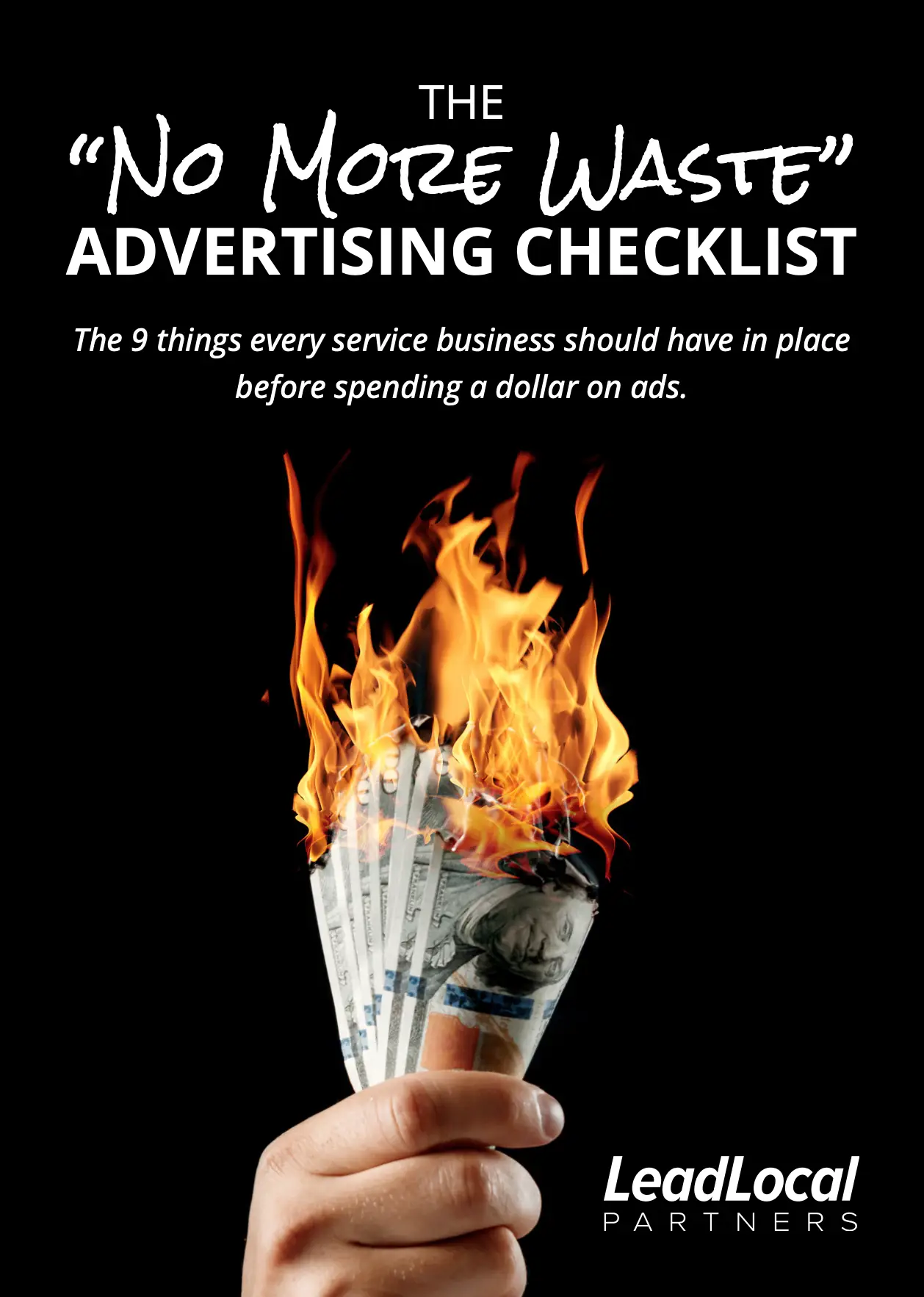
Before you spend another dollar on Google or Bing, this checklist will help you catch the silent leaks killing your results.
If you want leads that turn into booked jobs, not just clicks, start here.
"*" indicates required fields